What Does Padel Actually Cost in the UK?
Padel is one of the fastest-growing sports in the UK in 2026, but cost is still one of the first questions people ask before they commit. The honest answer is that it depends heavily on where you live, how often you play, and how seriously you take your equipment. This breakdown covers everything — court hire, rackets, shoes and balls — across three types of player: the complete beginner, the regular club player, and the committed competitive player.
Court Hire
Court hire is where the biggest cost variation sits, and it depends heavily on where you live and when you play.
Outside London, non-member court hire at established venues typically runs between £20 and £36 per hour for the whole court. Off-peak weekday slots at major chains like Game4Padel in Edinburgh, Liverpool and Hove come in around £24 per hour. Evening and weekend peak slots at the same venues push to £28–£36. Premium indoor city-centre venues — like Pure Padel Manchester — charge £44 to £60 per hour.
London is a different market. The city average sits around £48 per hour, with peak slots commonly reaching £55–£60 and the most central clubs charging £80 to £100. Even more accessible outer London venues run £24 to £36.
Split between four players, the maths changes significantly. A £28 court is £7 per head. A £48 London court is £12 per head — cheaper than most gym sessions and comparable to a round of drinks after.
The two biggest levers on price are timing and membership. Off-peak weekday slots can be 30–40% cheaper than peak evening and weekend rates at the same venue. If you’re playing twice a week or more, club membership almost always pays for itself within a month. Indoor courts cost more than outdoor everywhere — build cost, heating, lighting and year-round availability are all priced in. If the weather’s reasonable, outdoor courts offer meaningfully better value.
Rackets
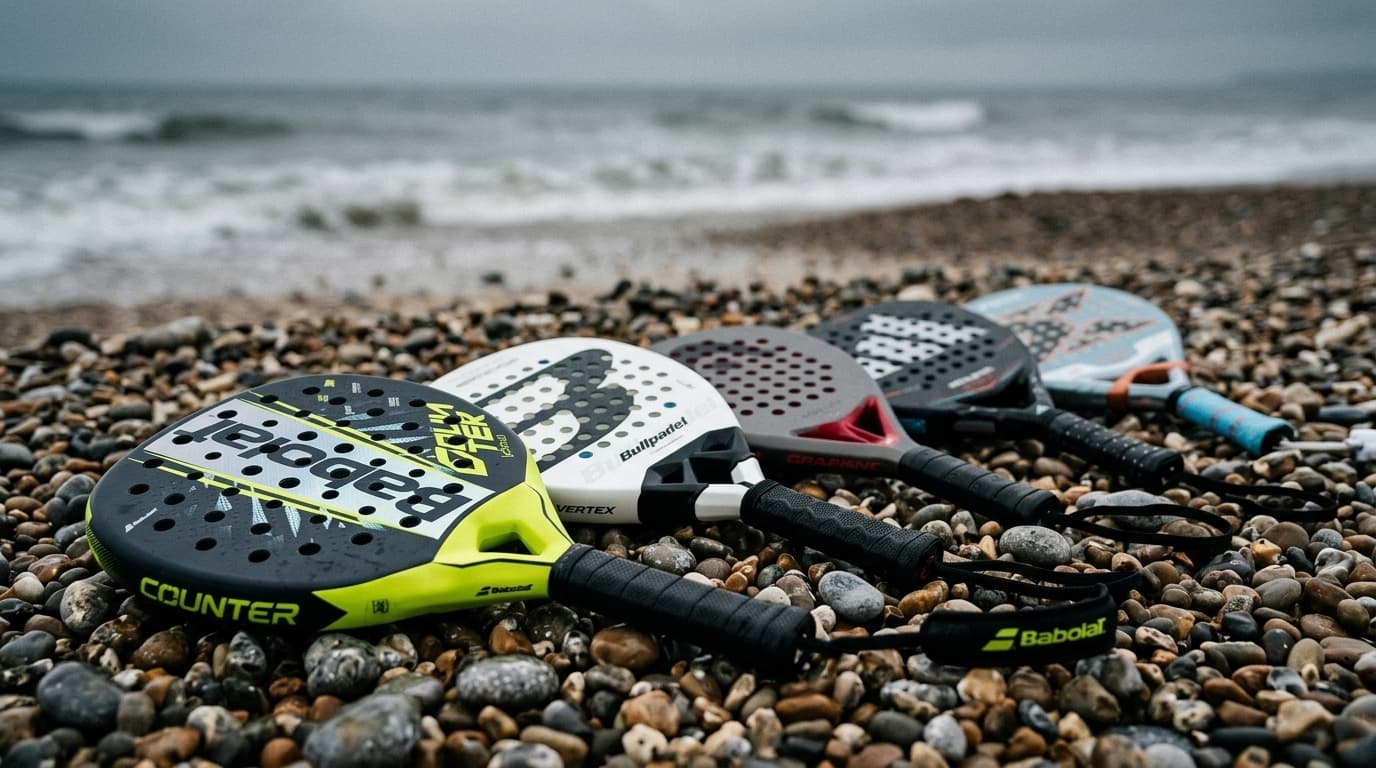
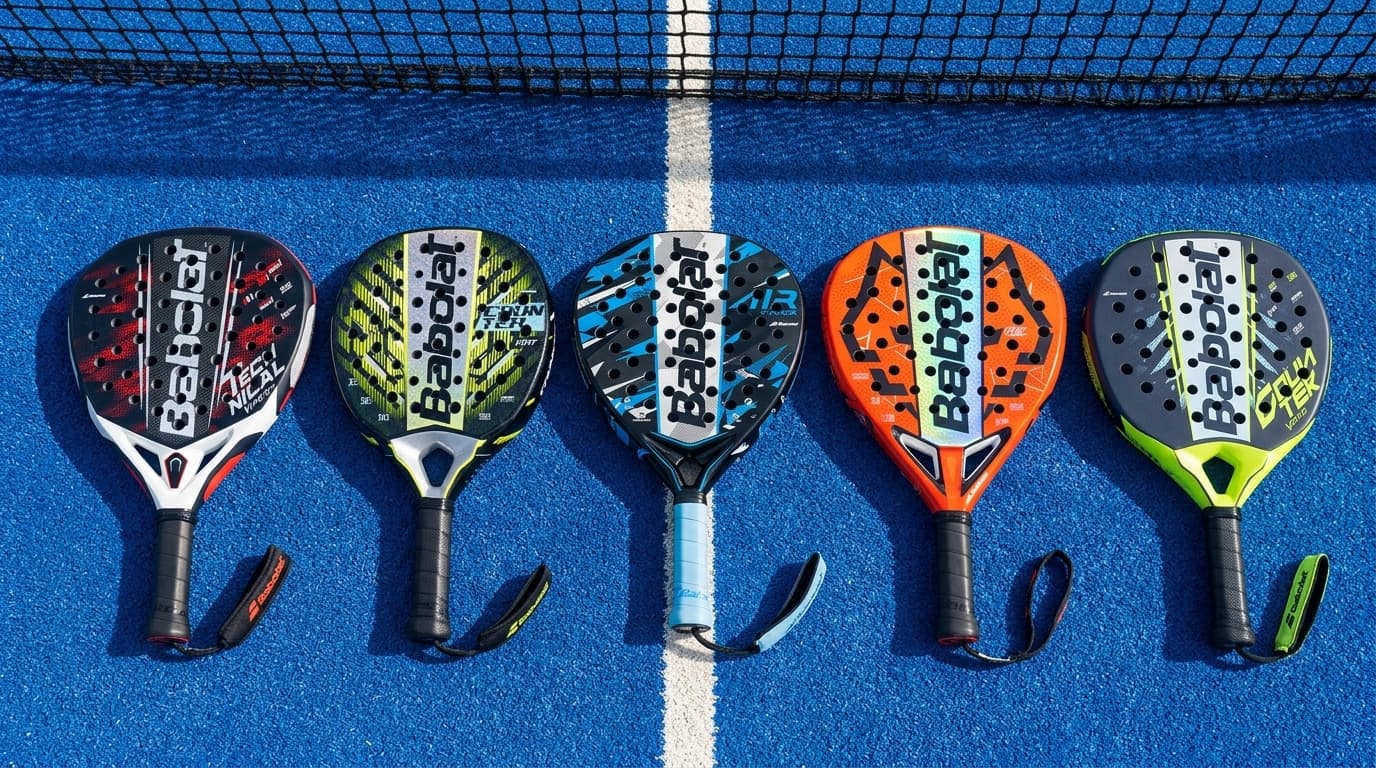
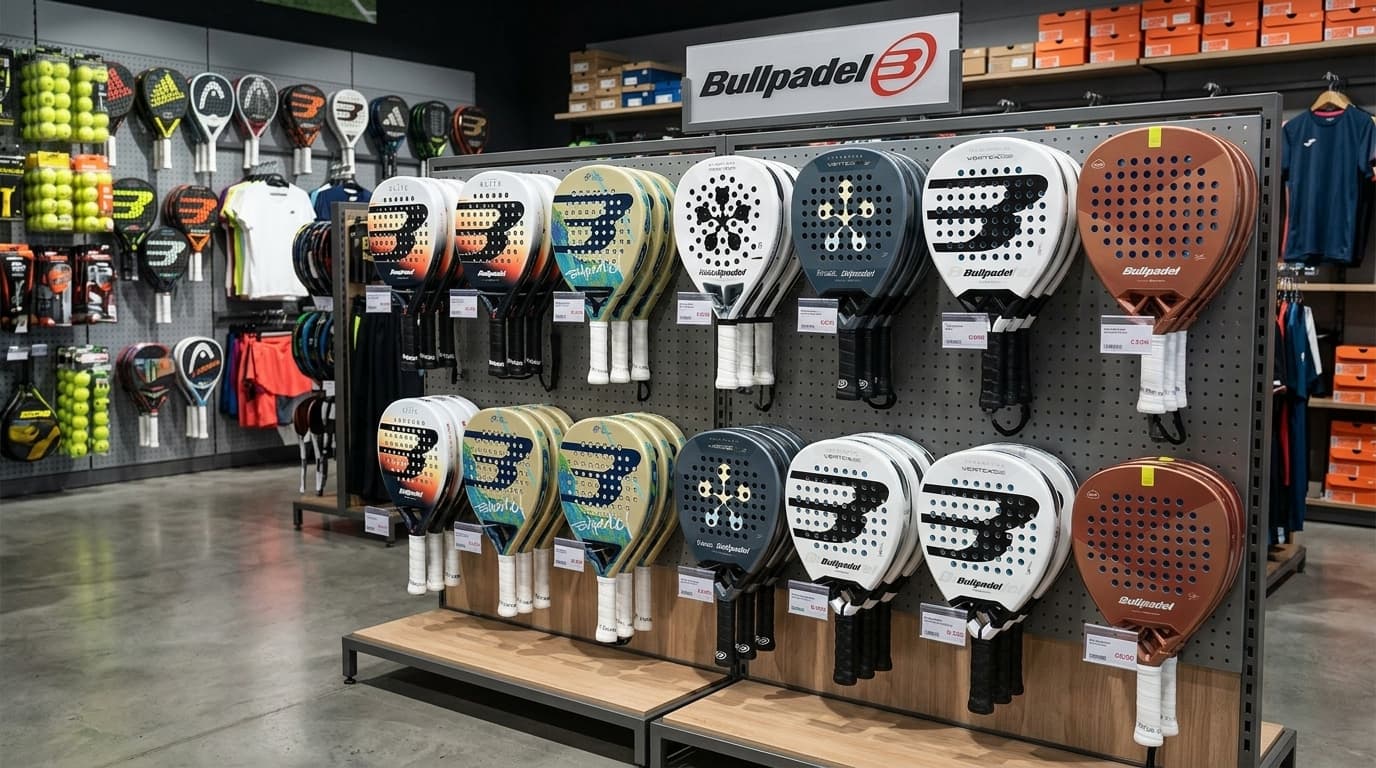
A padel racket is the biggest one-off equipment cost, and the range is wide — from around £30 at the entry level to over £300 for a professional-grade model. Most club players land somewhere in the middle.
Beginner (£30–£100)
At the entry level, the Bullpadel Play Power 25 and HEAD Elektra 25 represent solid starting points from established brands at accessible prices. Both are round-shaped with soft cores — exactly what a beginner should be playing with. The Adidas Drive and Match ranges sit in the same bracket. You’re getting real materials and a forgiving sweet spot. Decathlon’s own Kuikma range starts around £25 and is functional for very occasional play, though the fibreglass-only construction means it won’t hold up under regular use.
Intermediate (£100–£200)
This is where most committed club players end up. The Adidas Cross It Light is one of the standout options in this bracket — lightweight, aerodynamic, carbon construction, used by Martita Ortega on the professional tour. At this price point you’re buying real engineering, not just a name.
Advanced (£200+)
The Adidas Metalbone sits at the top of the range. Diamond shape, head-heavy balance, Weight & Balance System for personalised swing weight, used by Ale Galán on tour. At this level you’re buying a precision tool. Most club players don’t need to go here — but if your game has developed and you’re on court multiple times a week, the difference is real.
One thing worth noting: the same rackets are listed by multiple UK and European retailers at significantly different prices. Always compare before buying.
Shoes
Do you need padel-specific shoes? Technically no, but practically yes. Running shoes don’t provide lateral support, damage court surfaces, and increase ankle injury risk on padel’s artificial turf. Proper court shoes — padel-specific or clay court tennis shoes — are worth the investment before you play regularly.
Entry-level padel and clay court shoes start around £40–£70, with brands like Joma and Adidas offering reliable options in this range. The mid-range — ASICS, HEAD and Babolat — runs from £70 to £120 and is where most regular club players land. Premium options from ASICS, Babolat with Michelin outsoles, and Bullpadel with Vibram soles push above £120 and are built for players logging significant court hours every week.
Shoes last longer than rackets. A well-maintained mid-range pair will comfortably cover a year of twice-weekly play for most club players.
Balls
A tube of three padel balls costs between £4 and £9 depending on brand. Pressurised balls — the standard for match play — last around two to five matches before they start losing bounce noticeably. Most regular players go through a tube every two to three sessions.
If you play twice a week, budget around £10–£20 per month on balls, or less if your club provides them for sessions. Depressurised balls are cheaper per tube and last much longer, but the feel is heavier and less lively. They’re worth considering for practice, but most players prefer pressurised for match play.
The Total Cost by Player Type
Occasional Player — Once a Fortnight, Borrowing a Racket
Court hire split four ways: £6–£12 per session. Shoes: £50–£70 once. Balls provided or shared. Annual spend: roughly £150–£350.
Regular Club Player — Twice a Week, Own Kit
Court hire split four ways: £7–£15 per session depending on location and timing. Racket: £100–£200, replaced every two to three years. Shoes: £80–£120 per year. Balls: £10–£15 per month. Annual spend: roughly £1,000–£2,000.
Competitive Player — Three or More Times a Week
Court hire via membership or frequent booking. Racket: £200–£300, updated annually. Shoes: £100–£150, replaced every six to nine months under heavy use. Balls: £15–£25 per month. Annual spend: £2,500–£4,000+.
Is Padel Expensive Compared to Other Sports?
Compared to golf, cycling or skiing — no. Compared to running — yes. The closest comparison is tennis, and padel court hire is broadly similar to tennis court hire at equivalent venues in the same location. The racket is cheaper than a tennis racket at equivalent quality levels, though balls go flat faster and need replacing more often.
What padel offers that most sports don’t is a built-in shared cost structure — four players per court, every session. That naturally keeps the per-head cost down and makes it more accessible than the headline court hire price suggests.
Looking for your first racket? Our beginner racket guide breaks down the key decisions. Already playing regularly? The intermediate guide covers the next step up.