Padel vs pickleball — what’s actually different?
If you’ve been trying to work out the difference between padel and pickleball in 2026, you’re not the only one. Both sports are growing fast in the UK, both involve a solid racket and a net, and both get mentioned in the same breath so often that the confusion is understandable. They are not the same sport. The experience of playing them is completely different.
The courts look nothing alike
A padel court is 20m x 10m and enclosed — glass walls at the back, mesh fencing at the sides, a door on each end. The walls are in play. A ball that hits the back glass and bounces back toward you is still live, and learning to use that rebound is a core part of playing padel well. The court is purpose-built and can’t be improvised.
A pickleball court is 13.4m x 6.1m — roughly the size of a badminton court — and completely open. There are no walls. It can be set up on any flat surface with tape and a portable net, which is a significant part of why pickleball has spread so quickly, particularly in North America where it dominates.
The equipment is different too
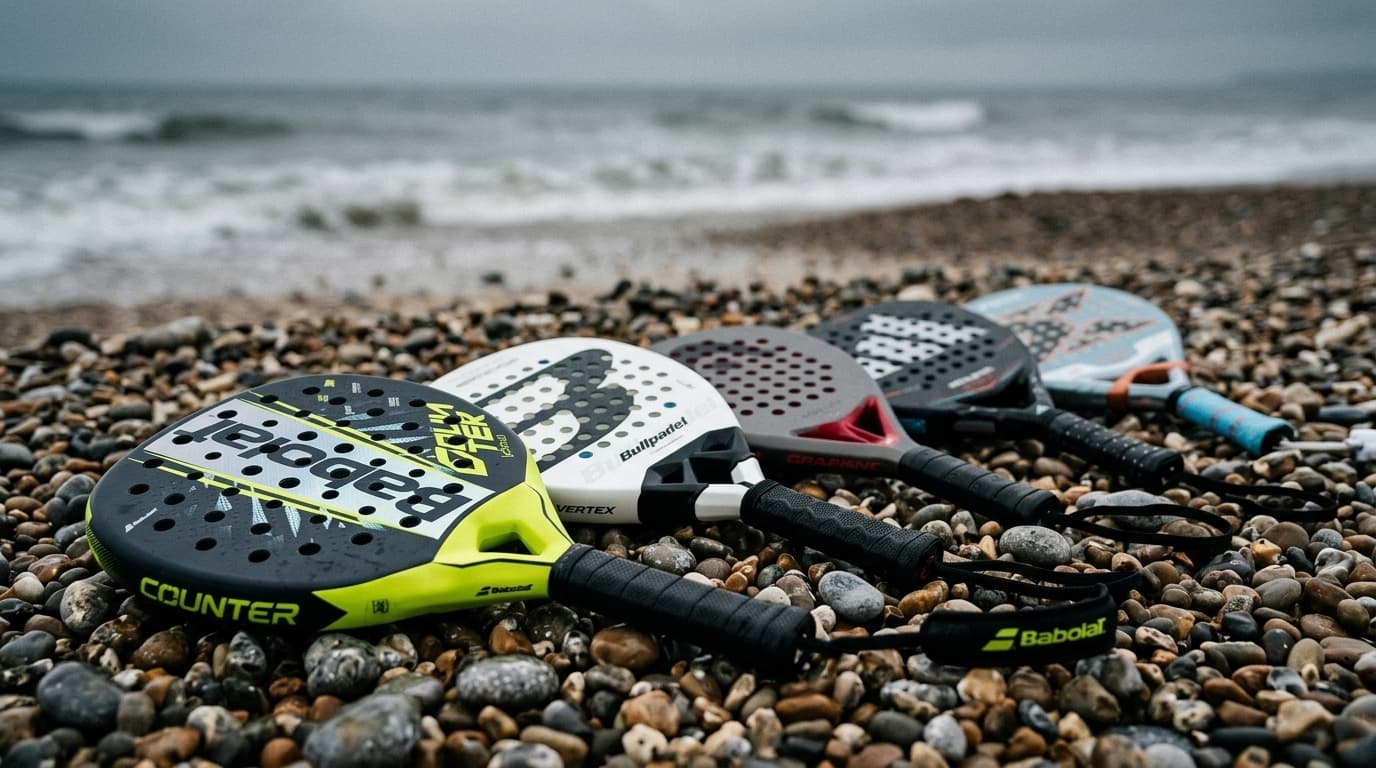
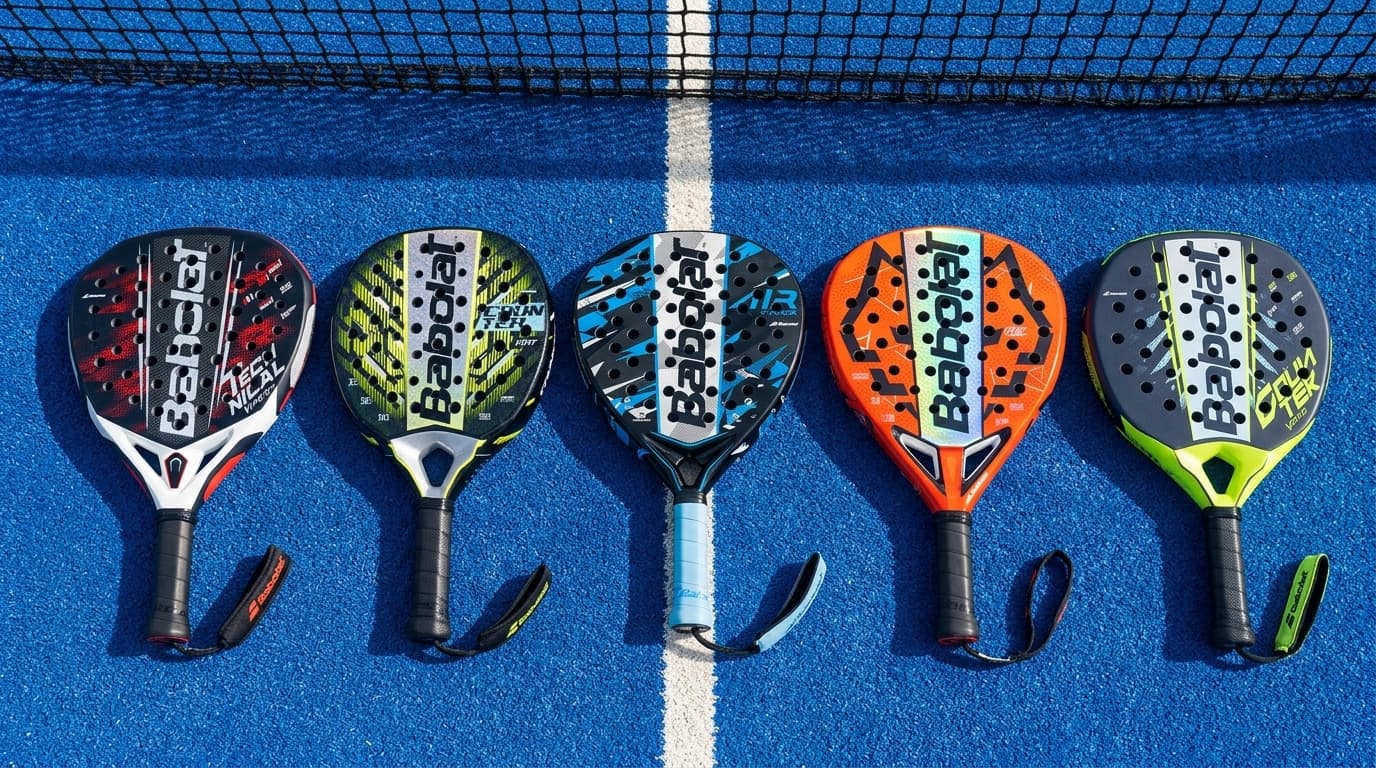
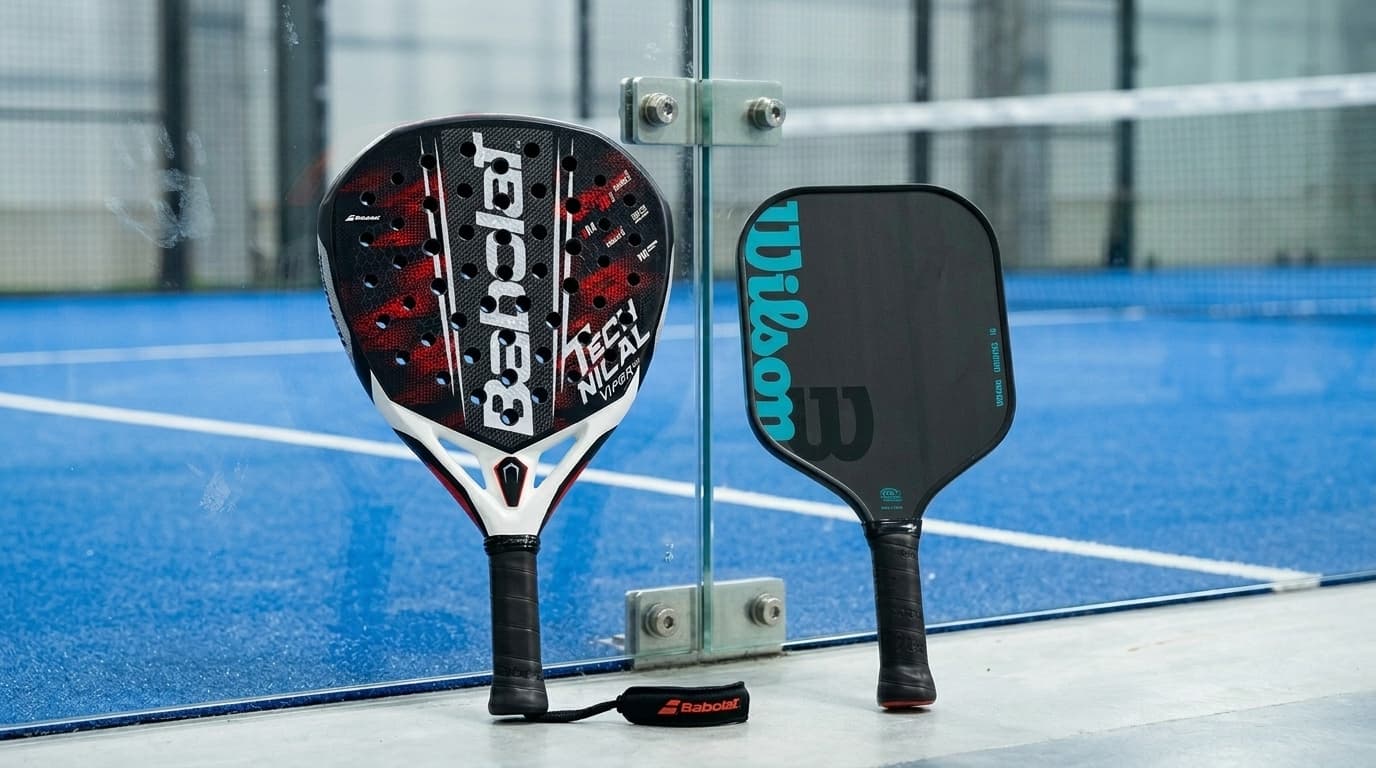
Padel uses a solid, perforated racket — shorter than a tennis racket, thicker in the head, available in different shapes depending on your play style. Round shapes favour control and a larger sweet spot. Diamond shapes shift weight toward the head and generate more power on attacking shots. The ball is a depressurised tennis ball — it looks familiar, just with less bounce.
Pickleball uses a paddle — solid, no holes in the face, made from composite or graphite. The ball is hard, lightweight, and plastic, with holes in it like a wiffle ball. The feel of striking a pickleball is completely different to a padel ball: lighter, sharper, and with less pace off the paddle.
How they play
Padel is almost always doubles. The serve is underhand and must bounce before crossing the net. Scoring follows the same structure as tennis — games, sets, advantages. Points tend to be longer than in tennis, partly because the walls keep the ball in play, and partly because the enclosed court rewards patient, constructed play from the back.
Pickleball can be singles or doubles. The serve is also underhand. Scoring goes to 11 points rather than games and sets, and only the serving side can score — which creates a very different rhythm from padel. One of pickleball’s defining rules is the kitchen: a no-volley zone 2.1m either side of the net that prevents aggressive net play and forces more strategic positioning.
Which is harder to learn?
Both are genuinely beginner-friendly compared to tennis. Pickleball has the lower entry barrier — the smaller court, slower ball and simpler scoring mean most people can rally within the first session. Padel takes slightly longer to feel comfortable in, mostly because learning to play the walls requires a different kind of spatial awareness. But that same element — the wall rebounds — is what makes padel feel so rewarding once it clicks.
Which one is bigger in the UK?
Padel, by a significant margin. The LTA reported over 400,000 people played padel at least once in 2024, with more than 1,000 courts across the country. Pickleball England cited around 35,000 active players and 7 dedicated facilities in 2025, with more anticipated in 2026. Pickleball is growing quickly, but padel is ahead on infrastructure, participation, and visibility — particularly in major UK cities.
So which should you play?
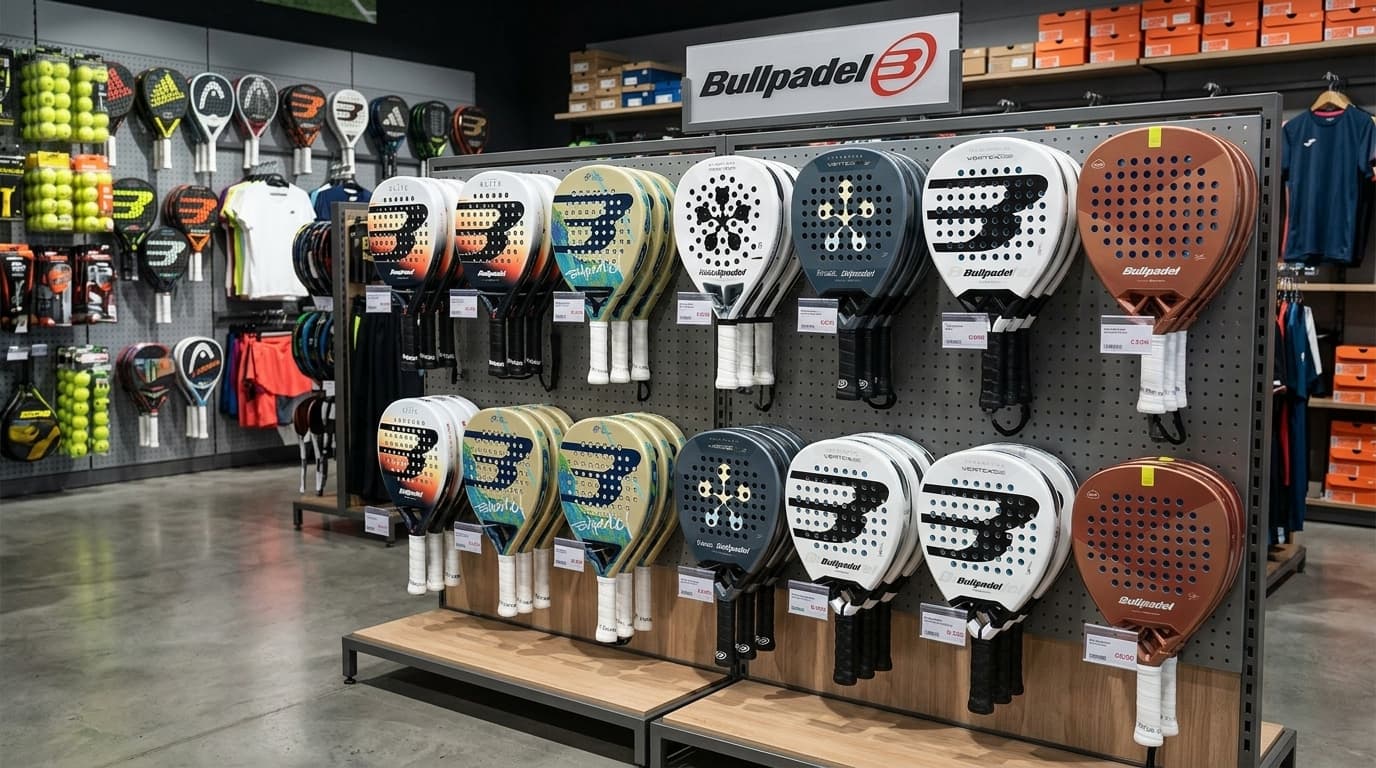
That depends on what you want. If you want a sport with longer rallies, a European club culture, and a clear competitive pathway, padel is the one. If you want something with a lower cost of entry, less physical demand, and more flexibility about where you play, pickleball is worth trying. If you’re buying your first racket, our beginner racket guide is a good place to start — or if you want to avoid the fakes, read this first.
Most people who play both tend to stick with padel. The wall play, the doubles dynamic, and the pace of a well-constructed rally are difficult to replicate. If you’re ready to get started, use our racket finder to match a racket to your game, or browse the best sellers to see what other players are buying right now.